Smarter Bearing Monitoring: How to Catch Failures Before They Cost You
Bearing health can be the difference between smooth operations and a sudden shutdown. Even a single bearing failure has the ability to halt production, leading to costly downtime and lost output.
But when you know what warning signs to look for, you can catch bearing failure in its earliest stages and act before minor issues turn into major breakdowns. The key is proactive monitoring, built on a clear understanding of the most common causes and failure patterns.

This article explores the root causes and warning symptoms of bearing failure and aims to give you the insight needed to strengthen your monitoring program.
Common Causes of Bearing Failure
Each year, billions of bearings are manufactured worldwide. They generally operate for their intended lifespan without issue — as long as technicians follow proper use and maintenance guidelines. Many bearings are replaced proactively through condition-based maintenance, and only a small fraction of bearings fail due to irreparable damage.
Understanding why bearing failures happen — and how to detect them early — is important to designing a bearing monitoring program that protects your critical assets and prevents costly outages. The primary causes of bearing failure include:
- Fatigue from repeated mechanical stress, misalignment, overload, or contamination.
- Lubrication failures, when technicians use the wrong type, quantity, or degraded lubricant.
- Contamination from dirt, debris, or moisture.
- Other causes, like handling, installation errors, excessive loads, and wrong fits, which are not common but still play a role in bearing failure.
Fatigue and lubrication issues are the most common causes of bearing failure and should be the focal point in any monitoring strategy.
Detailed Causes of Bearing Failure
Here’s an in-depth look at each common cause:
Fatigue
Fatigue happens when bearings experience excess stress. Misalignment, insufficient lubrication, and contamination can all contribute to bearing fatigue, which is why it’s a common reason for bearing failure. All these factors cause repeated force and strain on the bearing material, creating flaking, spalling, and microscopic cracks to form. Over time, the cracks grow, and the bearing eventually fails.
Lubrication Issues
Improper lubrication is also a leading cause of bearing failure. This could mean insufficient lubrication but could also mean you’re using the wrong lubricant. In some cases, high temperatures can degrade the lubricant. The early warning signs of faulty lubrication include discoloration on the rolling elements and tracks, and well as overheated bearings.
Misalignment
Another frequent cause is misalignment. It’s a best practice to align assets at the installation stage, and then re-check at regular intervals, since factors like thermal growth and vibration can cause misalignment over time. Laser tools are the gold standard for checking alignment.
Improper Installation
Faulty installation and mounting can cause bearings to fail. Make sure to install bearings using the correct tools, including heat where appropriate, so that they fit correctly without being forced. Operators should also check for proper alignment during the installation stage. Finally, the bearings and housing should be thoroughly cleaned and lubricated during installation.
Excess Loads
Excess loads lead to undue wear and tear on bearings as the result of increased friction between the rolling element and the raceway. Excessive loads cause heavy wear paths, overheating, and overall machine fatigue, leading to bearing failure.
Contamination
Dirt, debris, and chemicals can all contaminate bearings and cause deterioration. Over time, this leads to corrosion and bearing failure. Seal failure, which leads to contamination, can be the result of improper installation. Misalignment can also contribute to seal failure and contamination.
Bearings contaminated with dirt and debris often have dented rolling elements and higher-than-usual vibration levels.
Incorrect Fit
Installing bearings with the right fit is very important. An overly tight fit can cause stress and friction; it usually causes a visibly heavy rolling element wear path. An excessively loose fit, on the other hand, results in vibration and noise, which can also lead to bearing failure and serious faults over time.
Types of Bearing Failure
Here are the most common bearing failure modes and what typically causes them:
- Spalling (flaking): This occurs when subsurface fatigue causes small flakes or pits to break off from the raceway or rolling elements. Spalling often results from excessive load, misalignment, or contamination that degrades the life of the bearing material.
- Brinelling: Brinelling is when a bearing becomes permanently dented. There are two main types of brinelling: true brinelling and false brinelling. True brinelling is a permanent indentation caused by loads exceeding the material’s yield strength, typically from heavy impact or static overload while stationary. False brinelling is caused by vibration from other machine parts that causes uneven markings on a bearing raceway that look like true brinelling..
- Smearing: Smearing is caused by surface damage due to sliding friction under poor lubrication or heavy load, especially during start/stop cycles or misalignment. Surfaces smear rather than roll, often leading material to transfer from one surface to the other.
- Fretting: Subtle vibrations between bearing parts results in wear and corrosion in localized spots. This is called fretting, and can lead to false brinelling patterns over time.
- Fluting: Fluting is also known as electrical erosion. It happens when an ungrounded current passes through the bearing and causes tiny burn scars or crater-like pits aligned along the raceway. This typically occurs stray electrical currents in motors or variable frequency drives.
It’s important to regularly monitor bearing health for any of these common issues. Knowing the symptoms of failure can help you catch issues early and avoid complete machine failure.
Symptoms and Identification of Bearing Failures
Condition monitoring systems often spot bearing failure in its early stages.
Initial faults often manifest as high vibration levels, detectable via vibration sensors before the bearing visibly fails. As faults progress, friction causes heat and noise. Sensors can pick up on elevated temperatures coupled with audible changes in bearing performance.
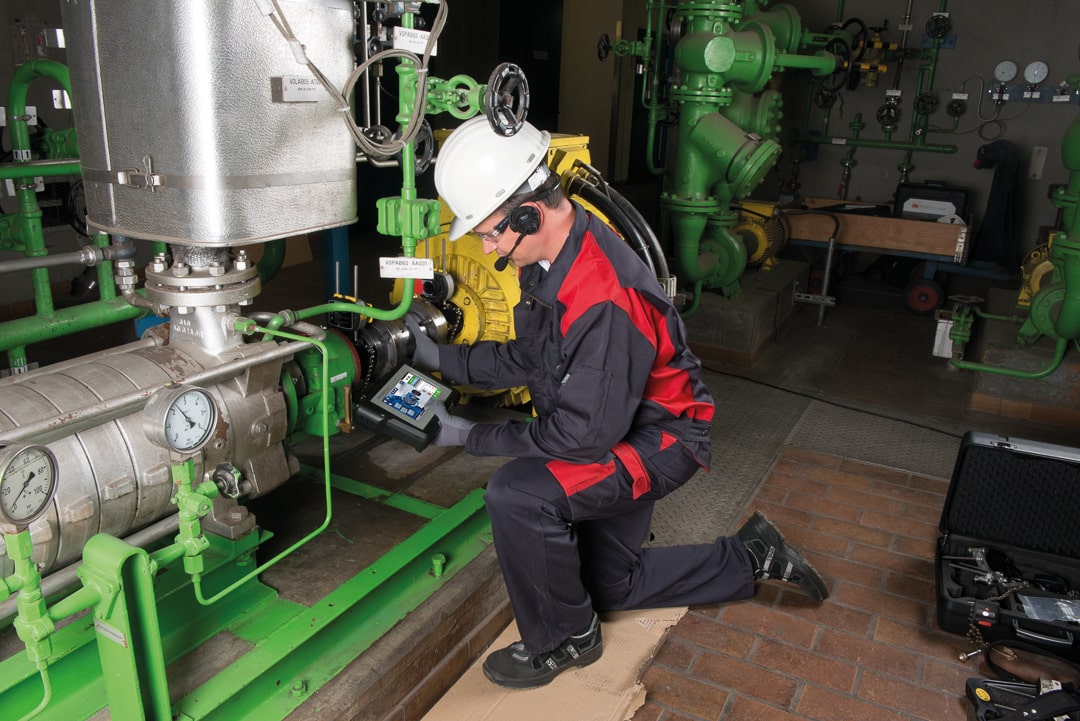
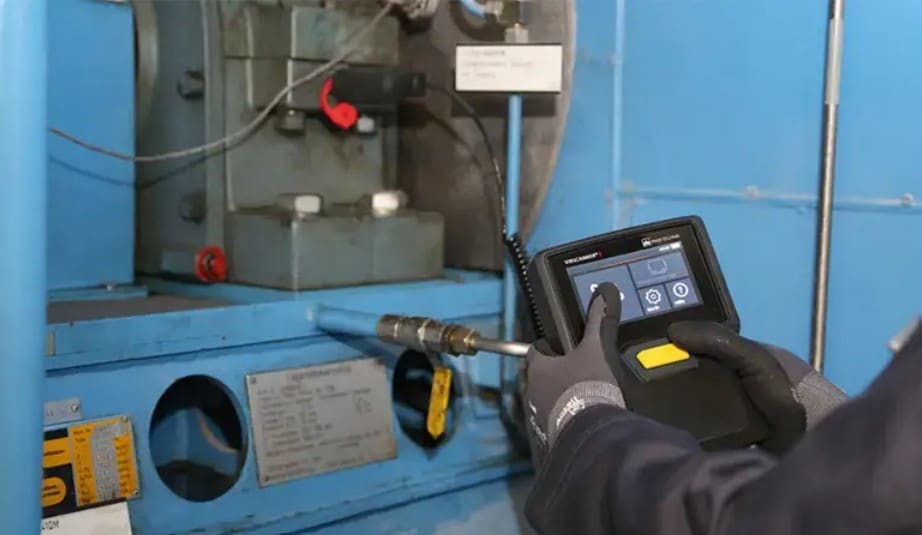
Condition monitoring tools, including handheld vibration analyzers and permanently installed sensors, can detect early warning signs reliably. With vibration data, analysts use a number of analysis techniques to infer what kind of faults are happening inside a machine.
H3: Diagnosing Bearing Faults with Vibration Patterns
There are three main types of analysis that vibration monitoring specialists use to determine faults::
- Fast Fourier Transform (FFT) analysis: This method converts time data into a frequency spectrum. FFT data allows specialists to identify if a fault is coming from a bearing or shaft, and where faults may be located. (For a detailed look at FFT, read our blog.)
- Time waveform analysis: Specialists examine raw vibration data in the time domain to detect changes in vibration frequency and amplitude. This can point to intermittent faults in machine performance, as well as conditions like loose bearings and gears.
- Envelope detection (demodulation): This method is ideal for detecting early faults hidden within complex signals. It uses an algorithm to extract signals from the original waveform that might otherwise go overlooked. This enables experts to spot early bearing failure before it shows up in an FFT spectrum.
Used together, these techniques give analysts a suite of practical diagnostics for rotating equipment health. But before
Preventive Measures to Avoid Bearing Failures
Most of the time, bearings are reliable and have a long service life. For that reason, one of the most important preventive maintenance tasks is to regularly remove and replace bearings. Keeping these tasks on a schedule can prevent unplanned downtime and costly repairs.
There are also some simple preventive measures that can stop premature wear and tear on bearings.
At the installation stage, ensure that you’ve correctly mounted each bearing. Verify the shaft and housing tolerances and maintain the radial internal clearance set out in the original design. Check to make sure that you’ve correctly sealed the bearings so that they stay protected from dirt, debris, or water. Also, remember to properly lubricate each bearing.
It’s important to check machine alignment during the installation stage and then re-check it regularly. Over time, misalignment happens gradually and can destroy bearings when left unattended. For best results, verify alignment using a single-laser alignment tool, which quickly identifies even minor alignment faults that damage bearings.
Maintain proper lubrication throughout the bearing lifespan. This is a careful balancing act. Too much lubrication causes bearings to stick, but too little lubrication leads to high levels of friction, damaging the components. It’s also critical to use the lubricant and lubrication schedule recommended by the manufacturer.
What Happens If a Bearing Fails?
When a bearing fails – whether due to fatigue, improper lubrication, damaged seals, or something else – it doesn’t just mean the bearing needs to be replaced. A single bearing failure can cause a cascading chain reaction that can bend shafts and cause major damage to other coupled equipment. Bearing failures can even put workers at risk of harm.

Fortunately, many common bearing issues can be identified long before they become major problems. And that’s largely thanks to the distinct vibration measurement patterns they produce during normal operation. When that vibration changes, it’s the first sign of a problem. As long as you have the tools in place to catch the variance from normal vibration levels, you can easily get ahead of bearing failure.
Traditional Bearing Monitoring Techniques
Historically, bearing condition was assessed using human senses:
- Visual inspection (sight)
- Audible monitoring (sound)
- Manual vibration checks (touch)
In the past, maintenance and repair technicians looked for, listened for, and felt for early warning signs of bearing failure. However, manual methods are always prone to error. Fortunately, with the advanced sensitivity of modern condition monitoring sensors, you can more easily detect extremely early warning signs of potential bearing failure that the human senses might miss.
Modern digital sensors capture early fault signatures far more sensitively. Online monitoring systems record real-time data and trend alerts automatically, eliminating human error and reaction delays.
How Can Bearing Condition Monitoring Help?
Although fatigue and improper lubrication are two of the most common causes of bearing failure, they are also rather straightforward to spot before they become major problems. But you need an effective bearing condition monitoring program to detect these issues before failure.
A robust program measures key asset conditions like vibration, temperature, power usage and temperature through handheld or online sensors. Power monitoring can detect abnormal loads or inefficiencies before mechanical wear becomes visible. Together, these tools support early detection and predictive maintenance.
Route-Based vs. Online Bearing Monitoring
There are a few different ways you can monitor bearing health: route-based or online. Route-based bearing monitoring involves technicians manually collecting vibration or temperature data on a scheduled basis using portable tools. It’s best for non-critical assets that only need periodic checks.
However, route-based monitoring cannot catch imminent faults like online bearing monitoring can. Online systems rely on a network of sensors that continuously track bearing health in real time.They provide earlier warnings of potential issues like bearing failure, giving your team time to act before a machine fails. Online monitoring is a better choice for critical assets, since it can provide instantaneous data and integrate with warning systems that can send you an alert when machine conditions exceed a certain preset threshold.
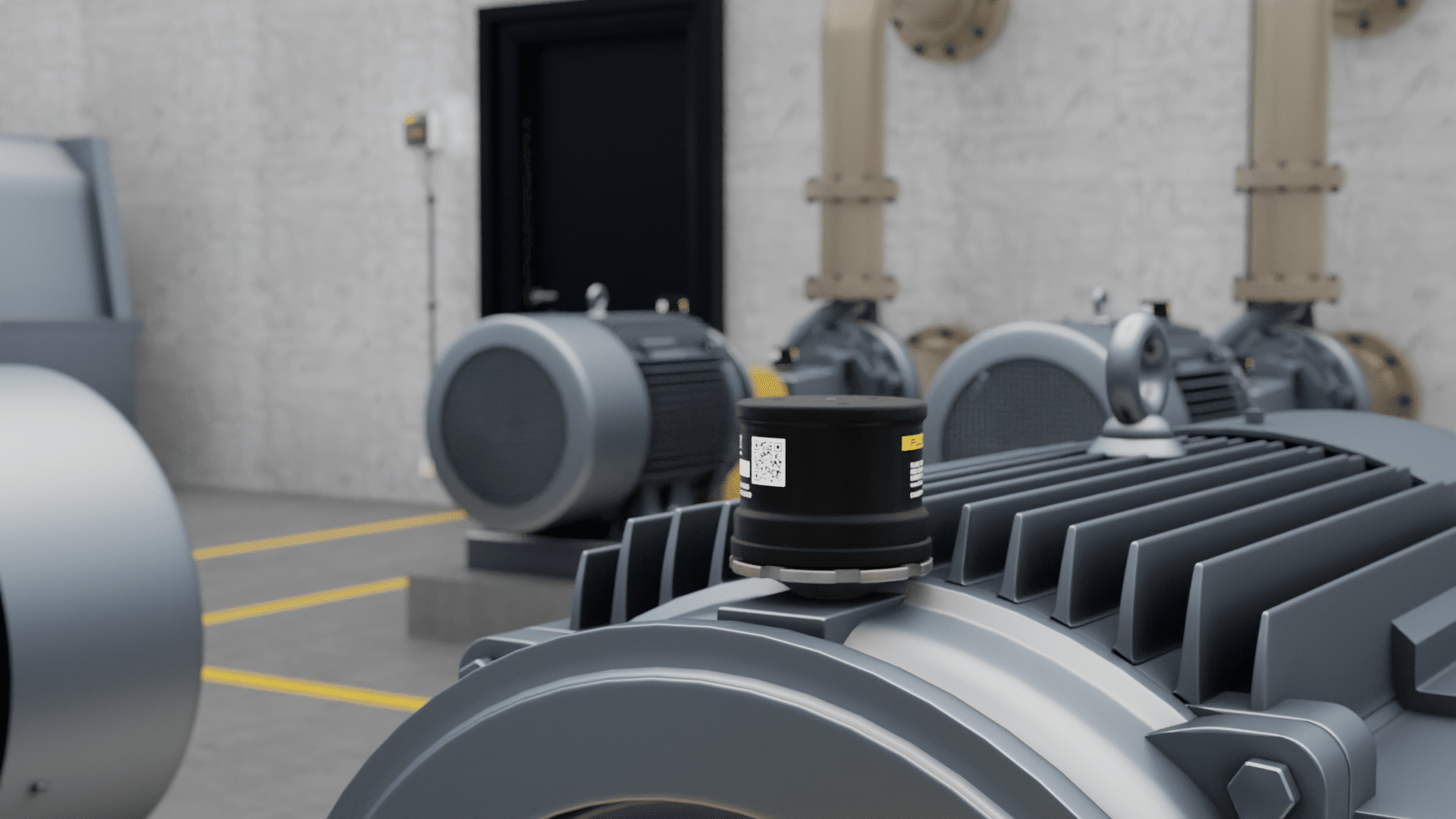
Route-based Prüftechnik tools such as VibXpert offer periodic diagnostics. For mission-critical assets, systems such as VibGuard or wireless vibration nodes ensure continuous monitoring and fast detection. Choose based on asset criticality and detection timing needs.
What Are the Benefits of Bearing Condition Monitoring?
By carrying out a bearing condition monitoring program, you can help ensure your organization’s maintenance strategy is preventive rather than corrective. You will catch problems before they result in asset failure, reducing maintenance costs and increasing productivity.
Fortunately, today’s modern technology makes carrying out an effective bearing monitoring program easier and more cost-effective than ever. Advances in both sensors and software mean that deploying an innovative condition monitoring program is not only feasible, it also is a smart financial decision, helping you cut costs and increase uptime.

Azima Accel 310™ wireless vibration sensors
In other words, organizations with a strong bearing conditioning monitoring program will not only stay ahead of bearing failures. They’ll also stay ahead of the competition.
5 Best Practices for Building a Bearing Monitoring Program
- Prioritize assets by criticality and failure impact. Monitor key turbines, bearings on line-critical motors, and so on.
- Define monitoring frequencies. For example, decide if it makes sense for your team to conduct daily or weekly handheld routes, plus continuous monitoring for critical assets.
- Set alarm thresholds carefully to minimize false alarms. Use historical baseline data to tune limits.
- Avoid pitfalls such as inconsistent monitoring, poor data quality, or neglecting training.
- Ensure rollout success with cross-functional alignment, clear ownership, and periodic reviews.
The structure of your bearing monitoring program will differ depending on the types of machines you plan to monitor and each asset’s criticality. Fortunately, Prüfechnik carries a broad range of tools and software to suit condition monitoring efforts of any size. Explore our condition monitoring solutions here.