Coupling Runout: Causes, Effects, and How to Fix It
Couplings are critical components in rotating machinery. They connect two shafts to ensure smooth power transfer from one machine to the next. If couplings aren’t installed and aligned properly, equipment can experience coupling runout, causing problems ranging from excess vibration to outright failure.

A large industrial coupling on a motor
This article will explain what coupling runout is, how to measure it, how to correct it, and what you can do to avoid it in the first place.
What Is Coupling Runout?
Coupling runout is the eccentricity or wobble of the coupling bore in relation to the shaft’s rotational axis. In other words, the centerline of the coupling isn’t concentric with the shaft. It occurs at the coupling, unlike shaft runout which occurs on the shaft itself. In extreme cases, the wobbling or eccentricity can be seen without special tools. However, even a small amount of coupling runout can lead to unexpected downtime.
Coupling runout can be caused by manufacturing defects in the coupling, errors during installation, wear and tear, or improper maintenance. Left unaddressed, it can impact machine performance by causing excessive vibration, wear and tear, and even equipment damage.
Why Coupling Runout Matters in Rotating Machinery
Coupling runout introduces significant challenges to the performance and lifespan of rotating machinery. When a coupling deviates from ideal concentric rotation due to misalignment or eccentricity, it generates excessive mechanical vibrations. These vibrations often result in increased noise, signaling underlying stress on components.
The persistent forces also accelerate wear on critical parts such as bearings, seals, and the coupling itself, leading to premature degradation and the need for frequent repairs or replacements. This wear also contributes to energy losses, as misalignment-induced friction reduces the efficiency of power transmission between shafts, increasing operational costs. In severe cases, unchecked coupling runout can escalate to catastrophic system failure.
The Difference Between Misalignment and Coupling Runout
Coupling runout and misalignment are related concepts in rotating machinery, but they are not exactly the same.
Misalignment is a condition that often leads to coupling runout, but coupling runout is the resulting physical deviation observed during rotation. For example, a perfectly manufactured coupling connecting two misaligned shafts will exhibit runout due to the misalignment. However, runout can also occur without misalignment, such as when the coupling itself has a manufacturing defect or is improperly mounted, even if the shafts are perfectly aligned.
Understanding the distinction is critical for troubleshooting. If you measure coupling runout, you need to determine whether it’s caused by shaft misalignment, a defective coupling, or another issue to address it effectively.
Types of Coupling Runout
Coupling runout is generally classified into two main categories, with a third dynamic form that can appear under operating conditions:
- Radial Runout (Eccentricity): The coupling bore is not perfectly concentric with the shaft centerline, causing the coupling to rotate off-center. This eccentricity results in uneven loading on bearings and seals.
- Axial Runout (Face Runout): The coupling face is not perpendicular to the shaft axis. This creates a wobbling effect during rotation, which can lead to vibration and uneven wear.
- Dynamic Runout: In some cases, runout only becomes apparent when the machine is under operating conditions. Factors like thermal expansion, load changes, or imbalance can introduce runout that isn’t visible during static measurements.
These types of runout are distinct from shaft misalignment (angular or parallel), though misalignment can contribute to runout. Proper measurement tools help distinguish between the two and identify the root cause of coupling runout.
How to Measure Coupling Runout
Coupling runout can be measured using alignment tools such as dial indicators, digital gauges, and laser systems. No matter which tool you’re using, here are the basic steps to follow:
- Prepare the Equipment: Ensure the machinery is safely shut down, locked out, and tagged out.
- Set Up Measurement Tools: Mount a dial indicator or laser alignment device on one shaft, with the probe or sensor positioned to measure the coupling’s face or rim relative to the other shaft.
- Rotate the Shafts: Manually rotate both shafts together (if coupled) through a full 360-degree rotation, keeping the coupling engaged, to observe deviations.
- Record Deviations: Note the dial indicator readings or laser system data at multiple points (for example, every 90 degrees) to capture angular misalignment (face runout) and parallel misalignment (rim runout).
- Analyze Results: Compare the readings against manufacturer or industry standards to determine if the runout is within acceptable limits.
- Repeat for Accuracy: Take multiple measurements to confirm consistency, adjusting for any external factors like loose mounts or thermal effects.
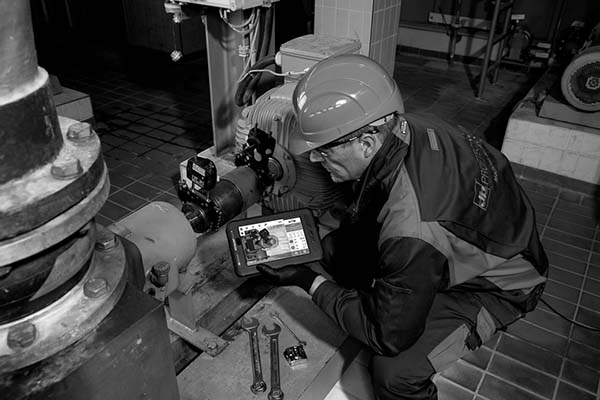
For more precise results, laser alignment systems are preferred over dial indicators due to their accuracy and ease of use. Tools like RotAlign and OptAlign from Prüftechnik use single-laser technology for repeatable, precise measurement results. Onboard software can even give step-by-step directions to correct shaft runout and ensure any runout is within recommended tolerances.

Coupling runout diagnosed with OPTALIGN Touch
If your team needs assistance with checking for coupling runout, Prüftechnik offers Laser Alignment Services. An experienced alignment professional can measure for coupling runout and provide precision alignment services to correct any runout detected.
Coupling Runout Tolerance Standards
Tolerance is the amount of coupling runout that couplings can withstand and still operate reliably within expected parameters. Coupling tolerance standards vary based on factors such as the coupling type, shaft speed, and application.
In general, machines running at slower speeds have lower tolerances, while those running at higher speeds require tighter tolerances. Standards like API 671, ISO 1940-1 and related standards provide guidance on vibration and balance, which are affected by excessive runout.
How to Correct Coupling Runout
Correcting coupling runout starts with accurately identifying its source, since misalignment, coupling eccentricity, or wear can all contribute to the issue.
First, technicians should confirm the extent of runout using precision tools like laser alignment systems. Once the cause is pinpointed, correcting shaft misalignment is often the first step. This involves making adjustments to the machinery’s positioning, such as shimming the motor base or repositioning equipment to achieve proper angular and parallel alignment.
If the coupling itself is eccentric or damaged, it may need to be repaired or replaced with a higher-quality coupling. Operational factors, such as thermal expansion or dynamic loads, must also be considered, as these can shift alignment during runtime.
After corrections, technicians should take runout measurements again to verify that deviations fall within acceptable tolerances. To prevent recurrence, regular maintenance schedules and proper coupling selection tailored to the application are essential, as these practices help sustain alignment and minimize future runout issues, ensuring long-term reliability and efficiency of the machinery.
Best Practices For Coupling Runout Prevention and Detection
With the right care and tools, coupling runout can be detected and corrected before it leads to downtime or equipment damage. Following these best practices can help prolong equipment lifespan and support coupling reliability, keeping your organization running.
- Proper Installation: Use laser alignment systems to ensure precise alignment during installation. Even if equipment comes “prealigned” or uses flexible couplings, alignment during machine commissioning will make sure the alignment is well within tolerances and help reduce the likelihood of coupling runout.
- Regular Maintenance: Perform regularly scheduled inspections to check for wear, looseness, or misalignment.
- Coupling Selection: There are several different types of couplings. Choose the appropriate coupling type based on application.
- Balancing: Ensure shafts and couplings are properly balanced to minimize dynamic runout.
- Monitoring Systems: Use real-time condition monitoring or vibration monitoring tools to allow early detection of runout.
These proactive measures not only prevent costly downtime but also enhance key performance indicators, such as mean time between failures (MTBF), contributing to smoother operations and greater reliability.
Addressing coupling runout is a critical aspect of maintaining the health and efficiency of rotating machinery. Left unchecked, runout can lead to excessive vibrations, accelerated component wear, energy losses, and even catastrophic failures, driving up maintenance costs and shortening equipment lifespan.

By employing advanced tools like OptAlign and RotAlign for precise alignment, alongside vibration monitoring systems, maintenance teams can quickly identify and correct runout, tackling root causes such as misalignment or coupling defects before they escalate.